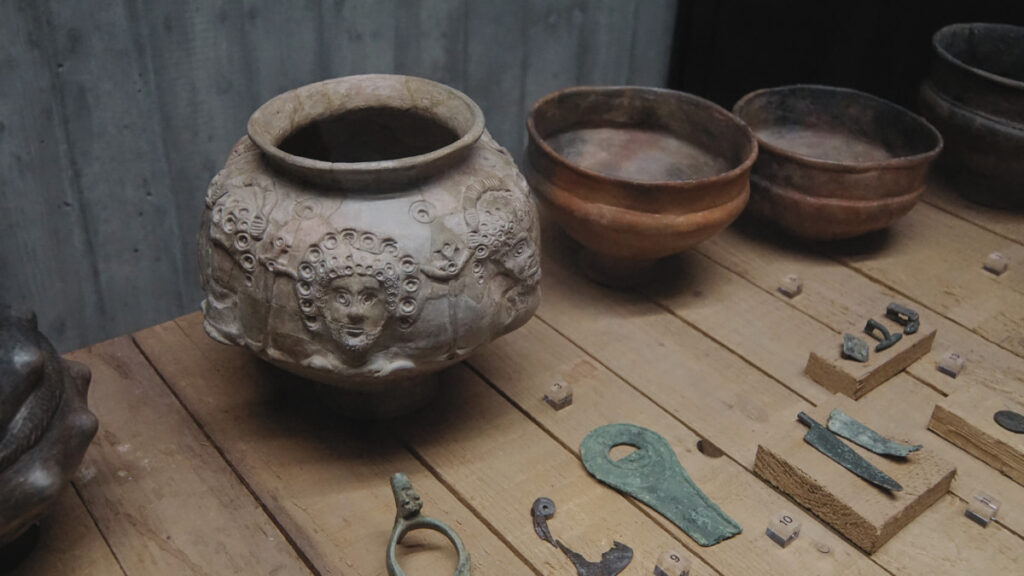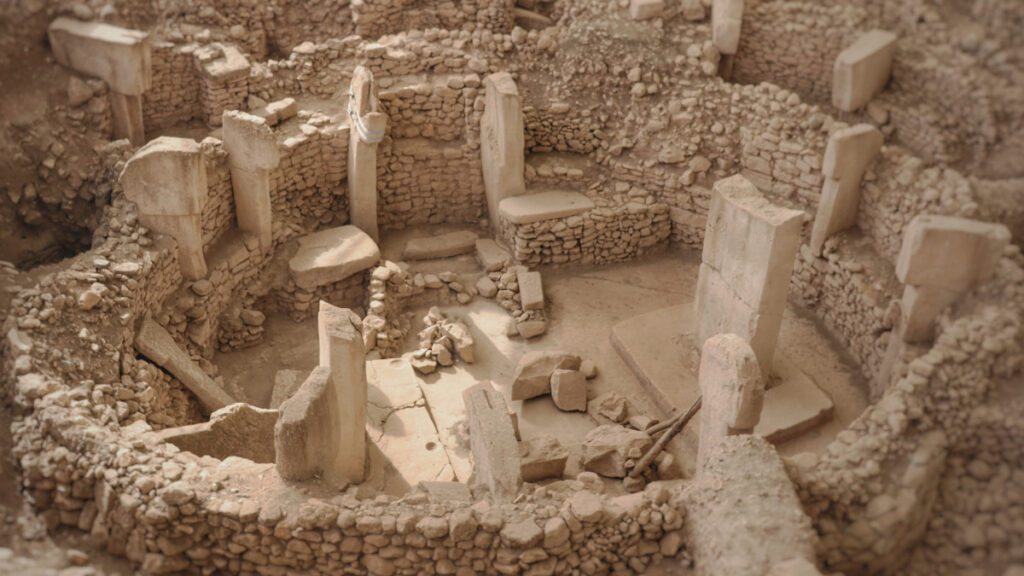
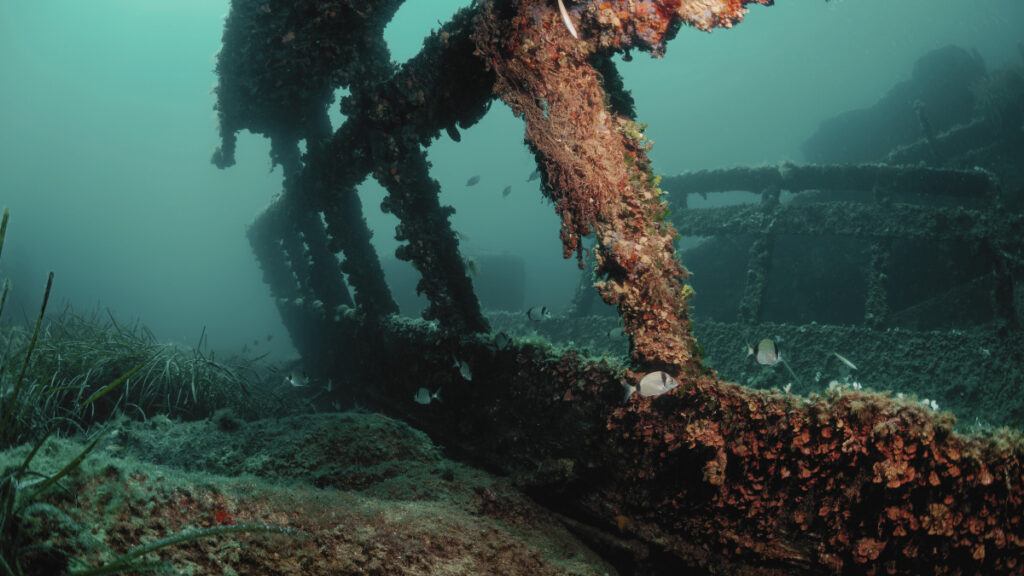
Long before global positioning systems and cargo manifests, traders navigated vast oceans with only the stars and their wits. When storms struck, many ships failed to return. Their watery graves, hidden for centuries, have emerged as windows into the world of ancient trade’s reach, diversity and transformative impact.
By examining the cargoes, ship construction and routes of these shipwrecks, archaeologists trace the development and spread of complex commerce. The discovery of ancient shipwrecks tells stories of ingenuity and enterprise, highlighting goods exchanged, cultures mingled and technologies shared.
This article explores the evolution, mechanics and revelations of major shipwrecks. It discusses their origins, the societies that built them, the nature of their exchanges, organizational features, comparative data, governance, external interactions and factors that led to their decline or transformation.
Early Maritime Routes Settle the Foundation of Commerce
Understanding where and how ancient maritime routes developed helps to uncover the backbone of early international commerce. Mediterranean and Asian waters birthed many foundational networks.
Natural harbors along the coastlines of Egypt, Greece and the Levant allowed these societies to build fleets that changed ancient trade forever. Diverse environments spurred sailors to adapt, innovate and connect new regions.
Development of Sea Vessels
Early ships, such as Egyptian reed boats and Greek merchant vessels, enabled longer journeys. These vessels grew more resilient, carrying olive oil, wine, stones and metals across waters otherwise impassable.
Shipwreck evidence reveals layered hulls, wooden pegs and square sails. Mariners learned to optimize storage for maximum efficiency and balanced navigation even in unpredictable waters across the ancient trade routes.
Trade Expansion in the Aegean
Aegean people mastered intricate navigation by island-hopping. This approach favored small merchant fleets, paving the way for contact between Minoans, Mycenaeans and Anatolians on ancient trade routes.
Archaeological finds, such as tin ingots and pottery shards, prove that the Aegean’s strategic location nourished trade in bronze, copper and luxury items far beyond local settlements.
Society, Customs and Cultural Ties Forged by Commerce
Trade’s expansion shaped society and drove cultural innovation by introducing people to unfamiliar ideas, crafts and foods. Wrecks reveal everyday objects and luxury items once part of this exchange.
Influence of Imported Goods on Culture
The arrival of exotic scents, dyes and ceramics altered tastes, social rituals and status symbols. Artifacts unearthed from sunken ships attest to the integration of foreign objects into daily life and beliefs.
Society adapted to these changes, as rarely seen materials like lapis lazuli or silk became prized, reshaping community values across several regions tied by ancient trade.
- Phoenician trade brought purple dye, enhancing garments and status in elite circles, as reflected by remnants found in Mediterranean shipwrecks.
- Nubian gold circulated, allowing new forms of jewelry and ceremonial gear, as documented by gold-glazed pottery fragments and ornaments in Red Sea wrecks.
- Eastern spices transformed cuisine and temple rituals, noted in residue from amphorae recovered near ancient Indian Ocean pirate havens.
- Roman glassware, found across European shipwrecks, marked new dining practices among local aristocracy and altered regional trade economies.
These exchanges made foreign fashion familiar, as pirate and merchant ships served as vehicles for commerce and cultural transformation.
Guilds and Mercantile Organization
Merchant guilds, visible in records left in shipwreck stashes, coordinated trade parties, established shared rules and enabled pooling of risk among stakeholders across long ancient trade routes.
Seals, labeled cargo and tally-marked amphorae reflect sophisticated coordination. Collaborative structures helped sustain vibrant port economies that catered to all merchants, not just state officials or nobles.
- Port authorities organized inspection routines to verify cargo and tax foreign goods entering their waters, according to seal impressions on amphorae.
- Shared accounting tools like abacuses and tablets standardized inventory, as evidenced by preserved rune-inscribed tablets discovered in Mediterranean holds.
- Religious shrines, present at key harbors, protected merchant convoys and facilitated oaths, highlighting faith’s daily role in ancient trade organization.
- Mutual-aid networks pooled resources to rescue stranded sailors or retrieve lost cargo. Wreck sites sometimes yield communal emergency stores, confirming their utility.
Commerce fostered both innovation and strong communal bonds, supporting stable societies dedicated to the flow of goods, customs and knowledge.
Pinnacles of Commerce Expand Reach and Technology
At their peak, ancient maritime societies constructed intricate networks and cutting-edge vessels. Shipwrecks illustrate how traders mastered new navigation, cargo management and diplomatic relations.
This era defined luxury trade, widespread influence and competitive mercantile strategies that spurred advancement across distant continents and ancient trade zones.
Innovative Shipbuilding Techniques Shared Across Seas
Technological achievements in ship construction spread through merchant alliances. The Uluburun shipwreck, for example, highlights advanced mortise-and-tenon joinery—stronger than nails and more resilient to ocean stress.
Such expert craftsmanship enabled longer voyages, safer cargo transport and seamless adaptation to diverse weather and pirate threats along vital ancient trade linkages.
Architectural evolution in shipbuilding contributed to more reliable fleet movement, encouraging distant kingdoms to trust the flow of rare materials and high-value artifacts.
Phoenician Seafaring Diplomacy
Phoenician traders navigated from the Levant to Iberia, acting as both explorers and diplomats. Shipwreck coins, seals and diplomatic missives illustrate their integrated political and commercial strategy through ancient trade zones.
Phoenician crews negotiated treaties, established safe harbors and introduced linguistic, artistic and religious influences. Their networks stretched from Carthage to Britain’s tin mines, transforming regional balance.
Their methods set precedents for later empires, cementing trade as both an economic engine and a diplomatic channel for cultural transmission.
Comparative Table of Major Ancient Shipwrecks and Their Impact
Categorizing shipwreck discoveries clarifies regional strengths, cargo strategies and adaptive approaches to hazards, piracy and changing political climates along ancient trade routes.
| Shipwreck | Year (Approx.) | Region |
|---|---|---|
| Uluburun | 1300 BCE | Mediterranean (off Turkey) |
| Antikythera | 80 BCE | Greece (Aegean Sea) |
| Godawaya | 100 BCE | Indian Ocean (Sri Lanka) |
| Belitung | ca. 830 CE | South China Sea (off Indonesia) |
Comparison reveals shipwrecks’ value for mapping ancient trade, understanding cross-cultural contacts, tracking technological transfer and decoding the resilience of ancient seafaring societies.
Councils, Kings and Merchants Guide Maritime Governance
Balance between central rulers, civic councils and private actors kept commerce reliable. Leadership structures were tailored to maximize returns and minimize risk on ancient trade routes.
Port City Councils and Harbor Regulations
Harbor councils wrote bylaws, managed disputes and licensed foreign traders. Archaeological records show civic officials scheduled safe docking, regulated fees and hosted diplomatic envoys from distant markets.
Efficient port administration streamlined trade, protected merchant interests and increased the adaptability of coastal economies to shifting tides and dangers found along Mediterranean and Asian coasts.
Royal Sponsorship and Tribute Fleets
Kingdoms commissioned fleets for tribute collection, regional defense and ambassadorial missions. Shipwreck records show ceremonial cargo, royal stamps and tribute tokens bound for palaces or distant allies.
Monarchs staked royal reputation on successful voyages, using symbolic displays of wealth and trusting skilled captains with responsibility for regional stability and far-reaching ancient trade contracts.
Guilds and Merchant Leadership
Guild heads resolved disputes, pooled maritime insurance and advocated in court. Contracts scratched onto cargo containers or preserved on wax tablets recount profit-sharing and risk allocation strategies.
This structure solidified merchant power and extended the resilience of trading communities—making them effective counterbalances to bureaucratic command or military intervention on ancient trade routes.
These diverse governance models made maritime commerce both robust and nimble, adapting to disruptions and seizing new opportunities that arose from changing tides and technology.
Broader Currents: Exchange, Power Struggles and Expansion
External interactions shaped commerce, sparking bursts of growth, innovation and, at times, rapid decline. Multicultural port cities reveal the impact of ancient trade on alliances, territorial contests and new identities.
Transcontinental Trade Connections
Arabian, Indian and Roman civilizations exchanged horses, textiles and glass along “Sea Silk Roads.” Shipwreck cargo evidences cosmopolitan influences in diet, dress and rituals, revealing ancient trade connections linking Africa to Asia.
New faiths proliferated as sailors brought sacred texts and icons, reshaping spiritual practice and layer upon layer of artistic motifs in coastal settlements from Somalia to Vietnam.
Piracy and Warfare on Trade Lanes
Pirates and navies shadowed merchant convoys, sometimes capturing entire cargos. Wrecks with weapon caches and defensive modifications highlight persistent threats faced by mariners on ancient trade routes.
Protection contracts, joint fleets and secret sea passages evolved in response, anchoring security as integral to trade planning and resilience across contested maritime spaces.
Cultural Diplomacy and Intermarriage
Marriages sealed alliances between trading partners. Wrecks yield dowry goods and bilingual inscriptions, attesting to strategic unions and linguistic hybridity in harbor districts buzzing with ancient trade activity.
Multiculturalism became the norm in prosperous port cities, blending culinary, artistic and religious traditions and smoothing future commercial and diplomatic negotiations.
Collectively, these encounters transformed both the composition and ambitions of maritime societies, fueling centuries of innovation, conflict and harmony across ancient trade networks.
Decline, Shipwrecks and the End of Eras
Shifts in climate, warfare and navigation methods brought certain routes and societies into decline. Blockades and shifting alliances redirected flows of ancient trade goods to new hubs.
Some shipwrecks reveal hurried departures, unclaimed treasures and documentation of legal disputes unresolved at sea—evidence of the vulnerabilities and volatility in commercial and political landscapes.
As overland roads gained popularity or empires fell, some maritime communities adapted while others vanished. Their sunken remains hold vital lessons about resilience, adaptation and loss across ancient trade.
Shipwreck Discoveries Illuminate Commerce and Human Connection
Decoding ancient shipwrecks charts the movement of goods and the pulse of lively societies that built empires on the promise of seaborne trade.
Insights from wrecks enrich historical understanding, showing that ancient trade shaped politics, fostered cross-cultural ties and introduced innovations that echoed through later ages.
Unearthing these maritime legacies inspires continued research, reminding us that human endeavors for connection and progress endure—binding all eras in an ongoing exchange across history’s tide.